
Why Is Pre-Freeze Maintenance Essential for Your Home and Insurance Coverage?
When winter cold snaps strike North Alabama, homeowners often focus on immediate comfort—turning up the heat and pulling out heavier blankets. However, taking care of home maintenance well before freezing temperatures arrive plays a fundamental role in preserving your home’s structural integrity and safeguarding your financial protection.
August and September are the right time to start thinking about cold-snap readiness because the best winter protection happens before the first freeze warning. HVAC contractors, chimney sweeps, irrigation companies, and insulation installers often have more availability before late-fall demand spikes, and homeowners still have enough mild-weather weekends to inspect outdoor faucets, clean gutters, seal drafts, and document the condition of the property. Starting early also gives you time to review your insurance coverage, add endorsements such as water backup or service line protection if needed, and fix maintenance issues before a claim ever depends on whether the damage was sudden and unavoidable.
Many homeowners assume that their Home Insurance policy acts as a blanket catch-all for any cold-weather damage that occurs during the winter months. In reality, home insurance is designed to protect against sudden, accidental, and unpreventable events. It is not intended to pay for damage resulting from neglected routine upkeep.
For example, if an unexpected arctic blast causes a sound, well-maintained pipe inside your wall to rupture suddenly, your insurance policy typically covers the resulting water damage to your drywall and flooring. However, if that same pipe bursts because you turned off your home’s heat while away for a week, or because exposed plumbing in an unheated crawl space was repeatedly left uninsulated despite known freeze warnings, an insurance adjuster may determine that deferred maintenance or negligence contributed to the loss. In those scenarios, claims can be denied or partial coverage applied, leaving you to pay out of pocket for repairs.

Understanding the true financial scale of winter weather disasters highlights why fall preparation is so vital:
- High-Cost Plumbing Claims: Burst pipes account for the vast majority of all homeowners insurance claims filed during winter storms. Fixing a single broken pipe costs around $500 on average, but the secondary water damage to subflooring, insulation, cabinets, and furniture routinely reaches between $3,000 and $3,500 per incident.
- Vulnerable Unheated Spaces: Research shows that 37% of all burst pipes happen in unheated or under-insulated zones—specifically basements, crawl spaces, attached garages, attics, and along uninsulated exterior walls.
- Warmer Climate Risks: Homes across Alabama and the broader American South face unique vulnerabilities during hard freezes. Unlike homes in northern states that feature deep-buried water supply lines, heavily insulated basements, and high-capacity furnace installations, southern homes are structurally designed to vent summer heat. When hard, multi-day freezes sweep through Marshall County, exterior walls and shallow plumbing lines freeze much faster, placing extreme pressure on residential heating systems and water pipes.
At The Hornbuckle Agency, our goal is to help our neighbors prevent claims before they ever happen. We serve multiple Alabama communities, including Albertville, Guntersville, Boaz, Arab, Geraldine, Crossville, Collinsville, Horton, and Douglas, providing personalized risk education to ensure your property remains secure through every season. To get a complete overview of policy terms, structural limits, and deductible structures, check out our Homeowners Insurance Complete Guide.
How Do Water Backup and Maintenance Exclusions Affect Winter Claims?
Standard homeowners insurance policies cover sudden internal plumbing breaks, but they frequently exclude backup from outdoor drains, sewer lines, or sump pump failures unless you have added specific optional policy endorsements. During winter freeze-thaw cycles, rapidly melting ice combined with clogged gutters or frozen exterior drain lines can force water backward into your foundation, crawl space, or basement. Adding a water backup rider and exterior service line coverage to your policy fills these dangerous coverage gaps.
Additionally, establishing proof of maintenance is one of the best ways to streamline any future insurance claim. Every autumn, take 15 minutes to conduct a room-by-room walkthrough of your home. Take clear, timestamped photos and videos of your home’s exterior siding, roofline, exposed attic pipes, furnace label, and interior ceilings. Store these digital files in cloud storage. If a severe ice storm causes unforeseen damage later, you will possess concrete evidence showing your home was in excellent, well-maintained condition prior to the freeze.
How Do You Protect Your Pipes from Freezing and Bursting?
Plumbing failures represent the single greatest property threat during severe winter cold snaps. When water trapped inside a pipe freezes, it expands by approximately 9%. This expansion creates immense hydraulic pressure between the ice blockage and closed faucets, expanding metal or PVC pipes until they split open. Preventing this disaster requires keeping heat around exposed lines and ensuring water stays flowing.
Follow these proven steps to shield your plumbing system:
- Disconnect and Store Outdoor Hoses: Before ambient temperatures drop near 32°F, disconnect all outdoor garden hoses from exterior spigots. Leaving a hose connected traps residual water inside the spigot head and exterior wall pipe. When that trapped water freezes, it breaks the valve inside the wall, often causing hidden flooding inside your home the moment the spigot thaws.
- Insulate Exposed Pipes in Unheated Areas: Measure the diameter of exposed water pipes running through unheated crawl spaces, basements, attics, garages, and under sink cabinets along exterior walls. Purchase foam pipe insulation sleeves or heat tape from your local hardware store. Foam pipe sleeves cost as little as $0.50 to $1.00 per linear foot and snap directly over copper, PEX, or PVC lines, instantly shielding them from sudden temperature plunges.
- Maintain a Minimum Indoor Temperature: During severe cold snaps, keep your main home thermostat set to a minimum of 65°F day and night. Even if you plan to travel over a winter holiday, never set your thermostat below 65°F. Ambient warmth inside living areas needs to penetrate wall cavities to protect hidden plumbing lines.
- Open Cabinet Doors and Drip Faucets: When sub-freezing temperatures are forecasted to linger for several hours, open kitchen and bathroom cabinet doors along exterior walls so warm interior air can circulate freely around supply pipes. Additionally, open faucets connected to exposed wall pipes to allow a slight, continuous drip (about 5 to 10 drops per minute). Moving water is significantly harder to freeze, and dripping relieves internal pressure even if a partial ice blockage forms.
- Locate Your Main Water Shut-Off Valve: Every adult in your household should know the exact location of your home’s main water shut-off valve—typically located in a basement, crawl space entrance, utility closet, or inside a covered meter box near the street. Test the valve by turning it clockwise to confirm it rotates smoothly and shuts off water flow completely.
If a pipe does freeze or rupture during a sudden cold snap, immediately shut off your main water valve to stop incoming flow. Next, open your indoor faucets to relieve residual line pressure. For state-specific winter safety guidelines, review the advice from the Alabama Department of Insurance on how to Protect your home from damaging winter weather.
How Do You Properly Drain Sprinklers and Outdoor Faucets?
Protecting outdoor plumbing goes beyond simply disconnecting garden hoses. If your home features standard (non-frost-free) outdoor spigots, locate the interior water shut-off valves dedicated to those exterior lines—usually situated in a basement, ceiling joist, or utility room. Turn the interior valve to the “off” position, then walk outside and open the exterior spigot handle to drain all remaining water out of the line. Leave the exterior spigot open throughout winter.
For in-ground lawn sprinkler systems, trapped water will crack underground manifold valves, backflow preventers, and plastic sprinkler heads when the ground freezes solid. Hire a professional irrigation contractor in early autumn to perform a compressed-air blowout. A technician connects an air compressor to your system, forcing high-volume, low-pressure air through every zone to evacuate every drop of water before deep frost sets in.
How Should You Prepare Your Heating System and Chimney Before Cold Weather Hits?

Your heating equipment works hardest during mid-winter cold snaps. Allowing your furnace, heat pump, or fireplace to sit idle all summer and autumn without maintenance increases the risk of mechanical breakdowns, carbon monoxide leaks, or seasonal home fires right when you need heat the most.
To keep your home safe, warm, and energy-efficient, prioritize these heating system preparations:
- Schedule Professional Heating Tune-Ups: Hire a certified HVAC technician every autumn to perform a routine maintenance service ($75 to $150). The technician will inspect electrical connections, clean burner assemblies, lubricate blower motors, inspect heat exchangers for dangerous carbon monoxide cracks, and test system ignition.
- Replace HVAC Air Filters Regularly: Clogged air filters restrict airflow, forcing your furnace or heat pump to work twice as hard to maintain set temperatures. This extra strain leads to overheating, sudden system shutoffs, and elevated monthly power bills. Replace basic disposable air filters every 30 to 45 days during peak heating months, or inspect high-efficiency pleated filters monthly.
- Inspect Fireplaces and Clear Creosote: Wood-burning fireplaces and chimney flues require annual maintenance before your first seasonal fire. Creosote—a dark, highly flammable byproduct of wood combustion—builds up along interior chimney walls. Hire a certified chimney sweep to remove creosote deposits, clear animal nests or leaf debris, and inspect the brick firebox and damper for cracks. To understand how your property policy responds to heating-related mishaps, read our detailed breakdown on Homeowners Insurance Fire Coverage Limits.
- Reverse Ceiling Fan Rotation: Look for the small directional toggle switch on the side of your ceiling fan motor housing. Switch the fan blades to rotate clockwise at low speed. Running fan blades clockwise creates a gentle updraft that pushes warm air (which naturally rises to the ceiling) back down into your living space, improving heating efficiency and saving up to $25 per month on utility costs.
- Test Life-Safety Detectors: Smoke and carbon monoxide (CO) hazards increase significantly during winter as heating units run continuously. Test smoke and CO alarms on every floor of your home and outside all sleeping areas monthly. Replace detector batteries annually. The National Fire Protection Association recommends replacing entire detector units every 10 years, as internal sensing components degrade over time.
How Often Should Your Heating Equipment Be Serviced?
According to data from the U.S. Fire Administration, heating equipment—including wood stoves, gas fireplaces, heat pumps, and chimneys—accounts for 15% of all residential home fires, making it the second leading cause of home fires during cold seasons.
All primary heating equipment should undergo professional servicing once a year in late summer or early fall. Annual servicing cleanings eliminate dust accumulation, verify proper flue gas venting, and catch worn mechanical components before they fail in sub-zero weather. Taking time for autumn HVAC tune-ups protects your family from accidental carbon monoxide poisoning while avoiding costly emergency repair callouts on freezing winter nights.
How Can You Seal Air Drafts and Prevent Ice Dams on Your Roof?
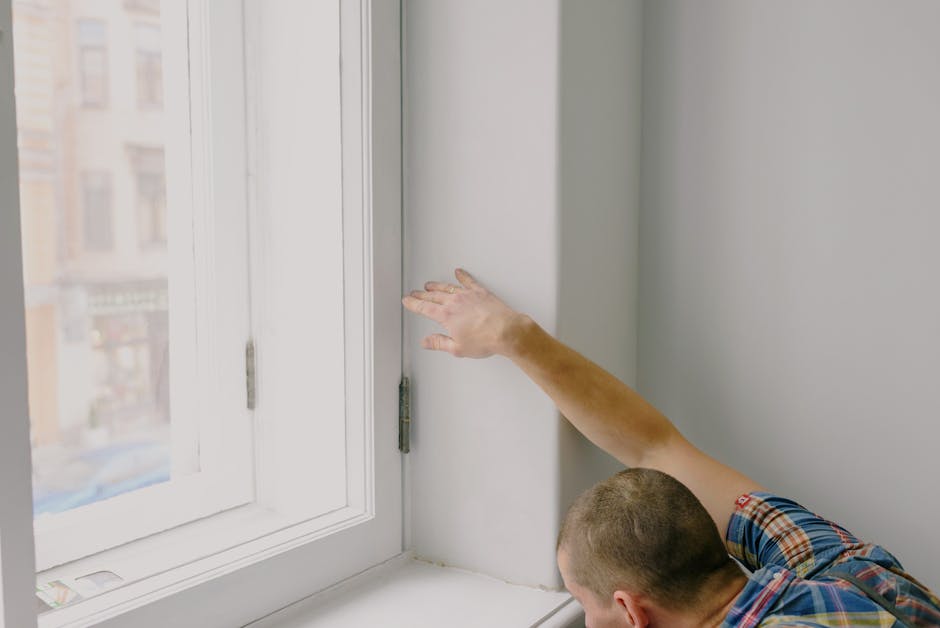
A drafty, under-insulated home vents expensive interior heat straight out through doors, windows, and attic spaces. Beyond driving up your monthly power bills, uncontrolled attic heat loss causes destructive ice dams along your roofline during winter weather events.
By tackling air sealing and insulation in early autumn, you can protect your home’s roof structure while significantly boosting winter comfort:
- Perform a DIY Draft Candle Test: On a cool, windy autumn day, close all windows and doors. Light a candle or incense stick and walk slowly around your home’s interior perimeter. Move the flame near window sashes, exterior door frames, baseboards, and electrical wall outlets along exterior walls. Where the flame flickers or smoke wavers, cold exterior air is leaking inside.
- Seal Air Leaks with Caulk and Weatherstripping: Apply paintable acrylic latex caulk to fill permanent exterior gaps smaller than 1/4 inch around window frames and siding penetrations. Install flexible V-strip or foam weatherstripping along window sashes and exterior door jambs. Attach heavy-duty rubber door sweeps to the bottom of all exterior entry doors. Applying window shrink-film kits over drafty single-pane windows blocks up to 70% of window heat loss. The U.S. Department of Energy notes that sealing exterior air leaks saves homeowners between 5% and 10% on annual energy bills.
- Upgrade Attic Insulation Levels: According to ENERGY STAR, 9 out of 10 homes in the U.S. are under-insulated. Inspect your attic space with a tape measure. If your attic insulation rests below or flush with the floor joists (less than 7 to 8 inches deep), your home is losing substantial heat. Add blown-in loose-fill cellulose or fiberglass batts until insulation reaches between 10 and 14 inches deep (achieving an R-38 to R-49 rating in most climate zones). Homeowners can save an average of 15% on heating and cooling costs by air sealing and adding insulation, yielding average savings of $372 per year.
- Clean Gutters and Position Downspouts Properly: Clear fallen autumn leaves, pine needles, and dirt from roof gutters and downspout funnels before winter storms arrive. Clogged gutters block melting snow water, causing water to pool and freeze over gutter edges. Verify that downspout extensions discharge water at least 5 to 10 feet away from your home’s foundation walls. Directing runoff away from your house prevents foundation cracking, erosion, and wet basements during winter thaws. For additional seasonal tips, check out the comprehensive Home Maintenance Guide for Winter.
Why Do Ice Dams Form and How Can You Prevent Them?
Ice dams occur during winter snow events when warm interior air leaks into an under-insulated attic space. This escaped heat warms the underside of the roof deck, melting the snow layer lying directly above it.
As water runs down the sloping roof, it reaches the cold overhangs and eaves, which remain at outdoor freezing temperatures. The meltwater refreezes along the cold eaves, creating a solid ridge of ice. Subsequent snowmelt backs up behind this ice barrier, forcing liquid water under roof shingles, where it drips into attic insulation, ceiling drywall, and interior living spaces.

While many homeowners attempt to solve ice dams by installing electric heating cables along roof eaves, these cables are merely temporary band-aids that consume high electricity without resolving the underlying cause. The permanent solution for ice dams requires air sealing attic floor penetrations (such as recessed light fixtures, duct openings, and attic access hatches), adding proper attic insulation, and ensuring soffit and ridge vents remain clear so continuous cold air flushes heat out of the roof cavity.
What Should You Include in a Home Winter Emergency Kit?
Severe winter cold snaps in North Alabama can trigger widespread power outages, municipal water pressure drops, and icy road conditions that isolate families inside their homes for days. Assembling a dedicated winter home emergency kit in early autumn ensures your household remains safe, warm, and well-nourished during extended utility disruptions.
Your basic winter emergency kit should contain the following essential supplies:
- Clean Drinking Water: Store at least 1 gallon of water per person per day (plus extra for household pets) for a minimum 3-day supply. Keep water in sealed, food-grade containers in an interior closet where temperatures stay above freezing.
- Non-Perishable Food: Stock a 3-day supply of shelf-stable, high-calorie foods that require no cooking or refrigeration, such as canned meats, ready-to-eat soups, peanut butter, dried fruits, nuts, and infant formula.
- Manual Can Opener: Ensure you have a sturdy manual can opener stored directly alongside your emergency food supply. Electric openers will not function during power blackouts.
- Lighting and Batteries: Gather multiple LED flashlights, headlamps, and battery-powered lanterns. Keep a fresh supply of AA, AAA, and D batteries sealed in waterproof storage bags. Avoid using open-candle flames for lighting due to elevated house fire risks.
- Emergency Communications: Keep a battery-operated or hand-crank NOAA weather radio on hand to receive emergency weather alerts and local public safety broadcasts. Maintain portable USB power banks fully charged to recharge cellular phones.
- First Aid and Medications: Assemble a fully stocked first-aid kit containing bandage strips, sterile gauze pads, antiseptic wipes, burn cream, adhesive tape, scissors, pain relievers, and a 7-day minimum supply of essential prescription medications.
Safe Alternative Heating Practices
When electric power fails during sub-freezing weather, maintaining home warmth safely is paramount. Never use gas kitchen ovens, stovetops, charcoal grills, or outdoor propane camp stoves to heat interior rooms. Burning these fuels indoors generates fatal levels of invisible carbon monoxide gas and creates extreme fire risks.
If you utilize a portable gas generator to power backup heaters or appliances, operate the generator strictly outdoors at least 20 feet away from your home, keeping exhaust fumes directed well away from windows, doors, and fresh air intake vents.
If you use a wood-burning fireplace or wood stove as a primary heat source during outages, stack and store your firewood supply at least 20 feet away from your home’s exterior foundation. Stacking wood directly against exterior walls creates ideal nesting habitats for mice, termites, and carpenter ants while trapping unwanted moisture against your siding.
| Emergency Kit Component | Basic 3-Day Supply Kit | Extended Winter Power Outage Kit |
|---|---|---|
| Water Supply | 1 Gallon per person/day (3 days) | 1 Gallon per person/day (7 days) + tub storage bags |
| Food Storage | Canned goods, energy bars, manual opener | Freeze-dried meals, camp stove + fuel (outdoor use) |
| Lighting & Power | LED Flashlights, spare batteries, phone power bank | Hand-crank NOAA radio, solar charger, LED lanterns |
| First Aid & Health | Standard 100-piece first aid kit, 7-day prescription supply | Extended medical kit, 30-day prescriptions, hygiene supplies |
| Warmth & Shelter | Heavy wool blankets, thermal socks, winter coats | Thermal Mylar space blankets, sub-zero rated sleeping bags |
| Backup Heat & Fuel | Unvented indoor-safe kerosene heater (with CO monitor) | Outdoor generator (20+ ft from home) + stabilized fuel |
What Are the Most Frequently Asked Questions About Winter Home Maintenance?
What temperature should I set my thermostat to during a cold snap?
During severe cold snaps, set your main indoor thermostat to a minimum of 65°F (18°C) day and night. Maintaining ambient room heat at 65°F or higher ensures sufficient thermal energy penetrates wall cavities, floor joists, and unheated under-sink cabinets to protect hidden plumbing lines from dropping to freezing temperatures. If you leave your home for vacation during winter, never turn your heating system off; maintain the 65°F minimum setpoint throughout your absence.
What post-winter damage should I inspect for in the spring?
Once winter weather eases in early spring, conduct a complete exterior and interior property inspection to catch seasonal wear before it worsens:
- Roofing Shingles and Flashing: Look for broken, curled, or missing asphalt shingles, as well as damaged flashing around chimneys and roof vents caused by freeze-thaw expansion.
- Gutter Systems: Check for sagging gutters, loose fascia brackets, or ice dam damage that pulled gutter troughs away from the roofline.
- Concrete Driveways and Walkways: Inspect concrete driveways and stone walkways for expanded cracks caused by trapped water freezing and expanding beneath surfaces. Seal cracks promptly with matching concrete masonry sealant.
- Outdoor Faucets and Sprinkler Lines: Turn interior supply valves back on and test all exterior spigots and sprinkler zones for leaks or pressure drops, indicating hidden winter pipe cracks inside wall structures.
- Exterior Door Hinges and Decking: Inspect outward-facing door hinges for rust build-up caused by winter moisture, and check wooden deck surfaces for discoloration, loose boards, or failed protective sealant.
How much money does winterizing a home save on energy bills?
Properly winterizing your home yields immediate financial returns. According to data from the EPA and the U.S. Department of Energy, sealing exterior air leaks around doors and windows saves between 5% and 10% on annual energy costs. Combining comprehensive air sealing with upgraded attic insulation saves homeowners an average of 15% on heating and cooling utility bills, putting an average of $372 per year back into your pocket while protecting your property from freeze damage.
How Can You Ensure Your Home Is Prepared Before the Next Cold Snap?
Preparing your home for winter doesn’t require complex structural overhauls or massive financial investments. By breaking your maintenance prep down into manageable steps over a couple of autumn weekends, you can safeguard your family, preserve your budget, and enjoy total peace of mind when freezing temperatures arrive.
Recap these 7 vital pre-freeze maintenance steps:
- Protect Exposed Plumbing: Disconnect outdoor garden hoses, wrap unheated pipes in foam insulation sleeves, and maintain your thermostat at a minimum of 65°F during severe freezes.
- Master Your Main Water Shut-Off: Locate, label, and test your home’s main water valve so you can react instantly if a pipe burst ever occurs.
- Service Heating Systems Early: Schedule annual autumn tune-ups for your furnace, heat pump, and chimney flue while replacing HVAC filters regularly.
- Seal Exterior Air Leaks: Apply weatherstripping, door sweeps, and caulk around drafty doors and windows to cut heating costs by 5% to 10%.
- Upgrade Insulation & Clear Gutters: Maintain attic insulation at 10 to 14 inches deep to prevent ice dams, and clear gutters so meltwater discharges 5 to 10 feet away from your foundation.
- Assemble an Emergency Kit: Stock a 3-day supply of drinking water, non-perishable food, flashlights, batteries, and a weather radio, practicing safe generator use during power blackouts.
- Review Insurance Protection: Take annual baseline photos of your property’s exterior and interior, verifying that your policy includes key riders like water backup and service line protection.
At The Hornbuckle Agency, we believe that real insurance coverage goes beyond policy paperwork—it starts with proactive risk education. As a local business serving families across Albertville, Guntersville, Boaz, Arab, Geraldine, Crossville, Collinsville, Horton, Douglas, and all of Marshall County, we are always here to help you review your property coverage, evaluate deductibles, and ensure your home is fully protected against severe winter storms.
Don’t wait for the first hard freeze warning to sound across North Alabama. Take time this weekend to complete your pre-freeze home checklist, and give our team a call to make sure your home insurance coverage is ready for whatever winter brings!