
Permissive Use Car Insurance: Before You Hand Over the Keys
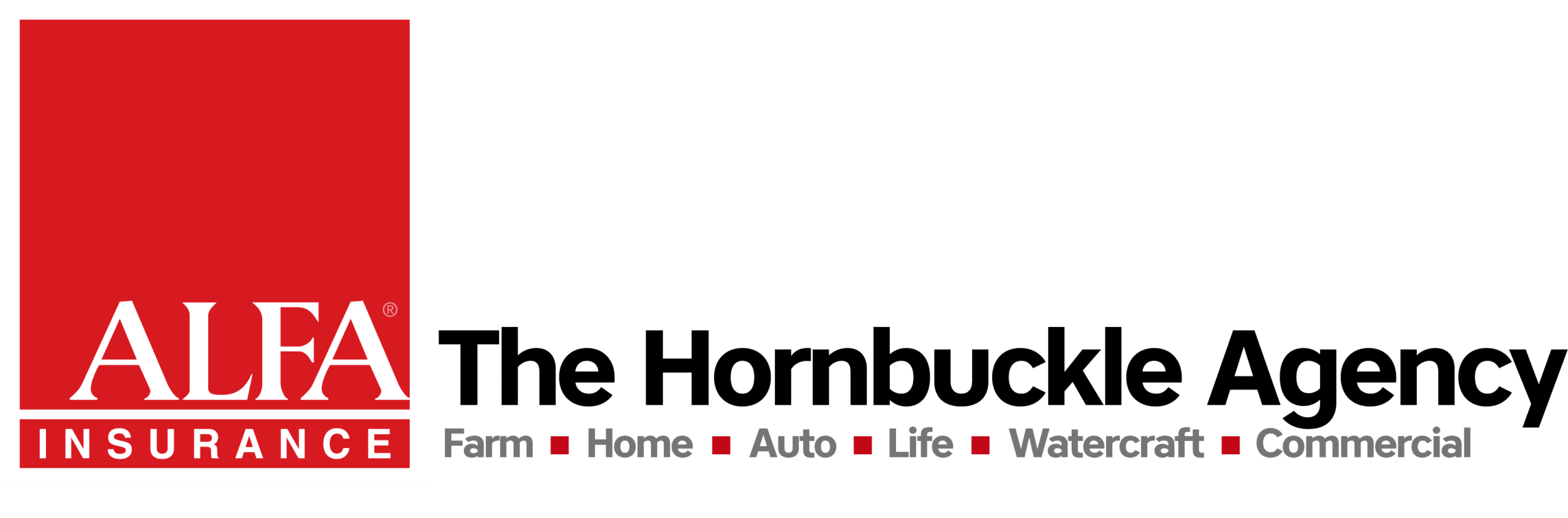
Permissive use car insurance means your auto policy may cover someone who borrows your car with your permission, even if they are not listed as a driver. It usually applies to occasional use, not regular driving. Before lending your car, check that the driver is licensed and ask your insurer about exclusions, coverage limits, and whether the driver needs to be listed.
A quick trip can still lead to a costly claim. Your policy may pay first after an accident, and the claim could affect your rates. The exact outcome depends on your policy and state law.
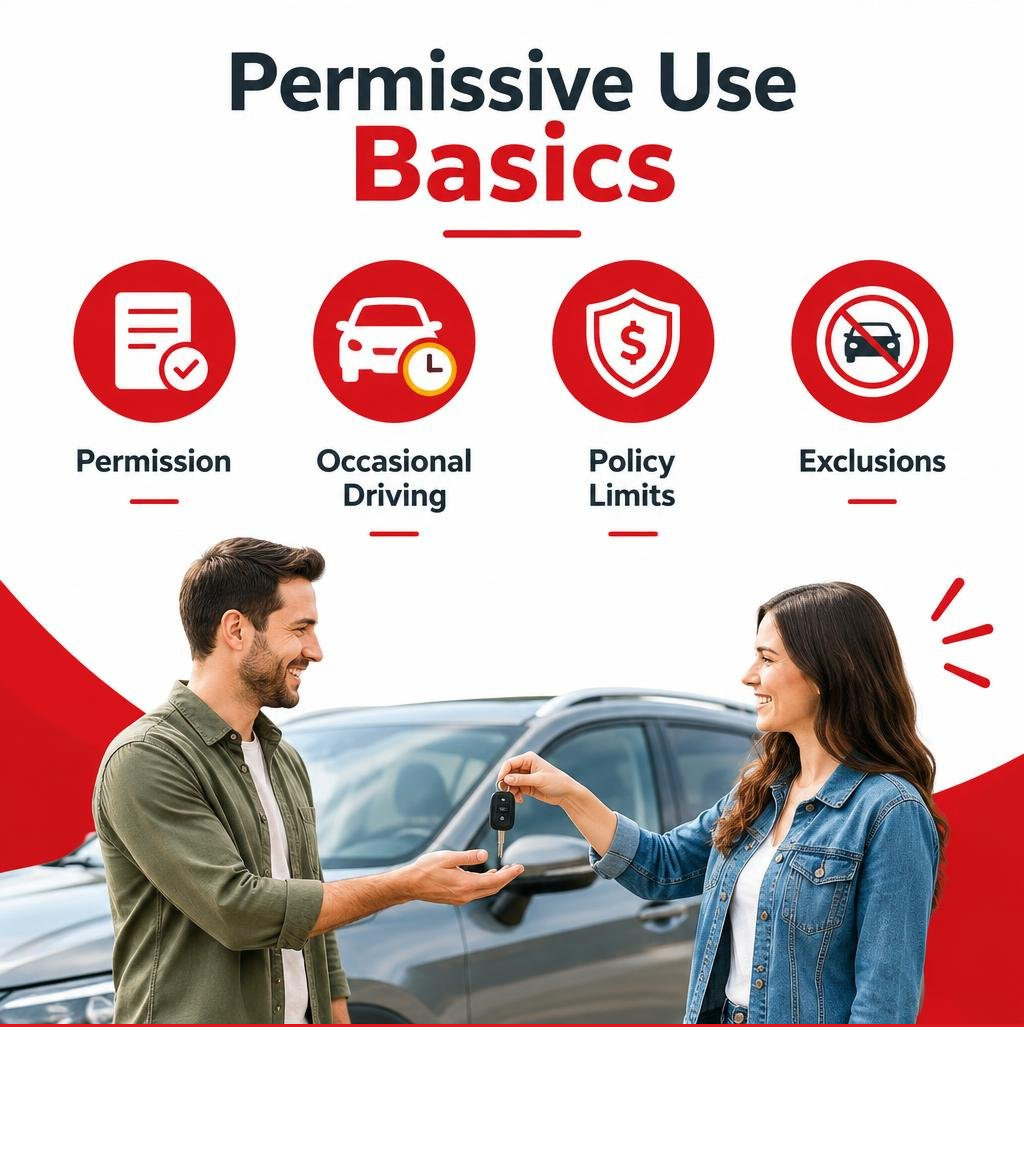
Permissive use car insurance terminology:
What Is Permissive Use Car Insurance and How Does It Work?
Permissive use is a standard provision within most comprehensive auto policies that extends your insurance protection to individuals who operate your vehicle with your explicit or implied consent. When you lend your vehicle to a friend, neighbor, or visiting family member, you are essentially extending your policy’s coverage umbrella over their temporary operation of your car.
At its core, permissive use operates on the foundational insurance principle that coverage primarily follows the vehicle rather than the driver. When an authorized guest driver takes the wheel, your auto policy serves as the primary insurance layer. If an accident occurs while they are operating your car, your liability, collision, and comprehensive coverages respond first to address third-party damages, bodily injury, and repairs to your own automobile.
The underlying mechanism relies on the policy’s omnibus clause, which legally defines an “insured” not merely as the named policyholder, but also as any person using the automobile with the owner’s permission. However, this coverage is strictly designed for occasional and infrequent borrowing. It is not an alternative to adding routine drivers to your policy.
Understanding Permissive Use Car Insurance vs. Listed Drivers
There is a significant legal and financial distinction between a permissive user, a listed driver, and an excluded driver. Understanding how lending your car affects insurance coverage helps prevent unexpected claim denials following an accident.
A permissive user is an occasional guest borrower who does not reside in your household and drives your vehicle infrequently—often defined in standard underwriting guidelines as fewer than 12 times per year. Because their access is occasional, their driving record does not directly factor into your baseline premium calculations.
In contrast, listed drivers are individuals formally named on your declarations page. These typically include family members, roommates, or anyone residing in your home who possesses a valid driver’s license, as well as non-residents who operate the car on a predictable, routine basis. Underwriters evaluate the driving histories of all listed operators to calculate your policy premium.
| Driver Category | Policy Relationship | Typical Usage Frequency | Underwriting & Rate Impact | Claim Handling Role |
|---|---|---|---|---|
| Permissive User | Unlisted guest with owner consent | Occasional / Infrequent (e.g., <12 times/year) | None until an at-fault claim occurs | Covered as primary insurer |
| Listed Driver | Formally named on declarations | Regular, routine, or household access | Directly factored into annual rates | Full policy limits and protections |
| Excluded Driver | Specifically named as non-covered | Zero allowable driving privileges | Lowers policy risk by excluding high-risk driver | Complete denial of coverage |
When someone crosses the threshold from occasional borrower to frequent operator, relying on permissive use becomes a major risk. If an insurer discovers that an unlisted driver had regular, uninhibited access to the keys, they may investigate the claim for misrepresentation.
Express Permission vs. Implied Consent
Permission generally falls into two distinct legal categories: express permission and implied consent.
- Express Permission: This occurs when you provide clear, direct authorization—either verbally or in writing—for someone to use your vehicle for a specific purpose or timeframe. For instance, texting your neighbor “Yes, you can borrow my truck to pick up that sofa” constitutes direct, express consent.
- Implied Consent: This arises from actions, relationship dynamics, and past practices rather than explicit words. Handing someone your keys without speaking, or establishing a long-standing routine where a close friend regularly uses the car for errands without asking every time, represents implied consent.
In the event of a significant insurance claim, express permission is far simpler to substantiate. In ambiguous situations—such as an acquaintance borrowing the vehicle late at night without directly asking—insurers may scrutinize whether genuine consent existed before extending primary coverage.
Coverage Mechanics, Limits, and Policy Types
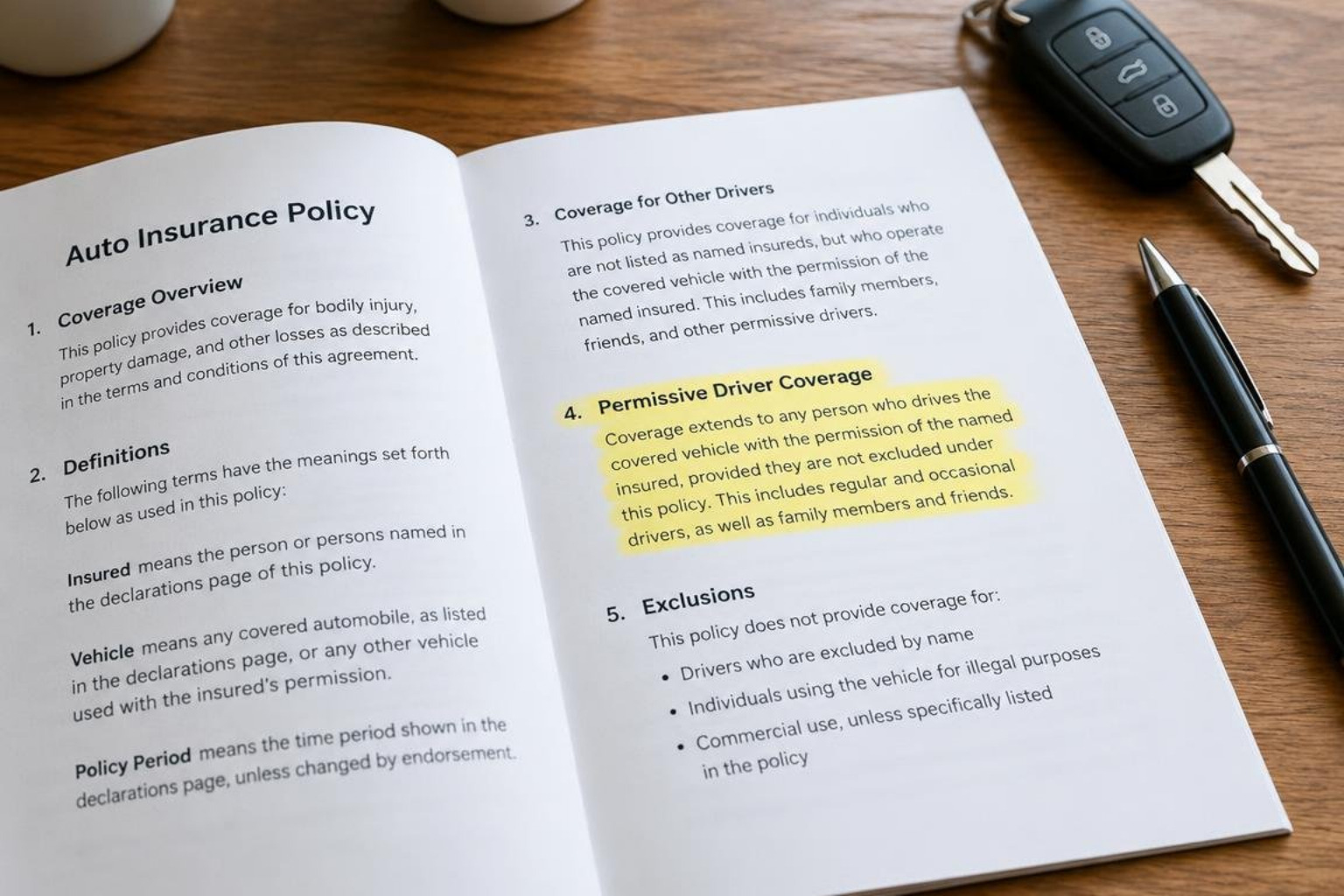
When a permissive driver is involved in a collision, the claims process follows a structured hierarchy of coverage layers. Because your personal auto policy serves as primary coverage, your liability limits pay for third-party medical expenses and property damage up to your selected caps. If your policy includes collision protection, it pays to repair your vehicle, subject to your chosen collision deductible.
If the damages or medical liabilities exceed your policy’s limits, the borrowing driver’s personal auto policy may step in as secondary (excess) coverage to cover the remaining balance. If the borrower is uninsured or carries insufficient limits, you, as the vehicle owner, may face personal financial exposure for the unpaid liabilities.
All drivers in Alabama must ensure their coverage meets or exceeds the mandatory Alabama statutory minimum auto insurance requirements, which mandate minimum liability thresholds for bodily injury and property damage.
Named Driver Policies vs. Open Permissive Use Policies
Auto insurance policies vary dramatically based on the carrier and policy structure. A standard, open permissive use policy includes coverage for occasional guest drivers by default. These policies offer robust financial security for families who occasionally lend their vehicles to trusted acquaintances.
Conversely, some non-standard or specialty insurers issue restrictive “named driver only” policies. Under a named driver policy:
- Only individuals specifically written into the policy contract are covered.
- No permissive use protection exists whatsoever.
- If a friend, visiting relative, or neighbor drives the vehicle—even with your explicit, written consent—and causes an accident, the insurer will deny the claim entirely.
Named driver policies are frequently marketed as budget-friendly options, but they expose vehicle owners to immense liability risks if anyone outside the contract touches the steering wheel.
How Policy Limits Apply to Permissive Use Car Insurance Claims
Even within policies that permit guest drivers, specific clauses may alter how much coverage applies during a loan:
- Step-Down Provisions: Some standard and non-standard auto policies contain “step-down” clauses. While your policy may carry high bodily injury and property damage limits (such as $100,000/$300,000/$100,000), a step-down provision automatically drops your liability protection down to the state’s legal minimum limits whenever an unlisted permissive driver is operating the vehicle.
- Physical Damage Deductibles: In many instances, comprehensive and collision coverage options remain intact, but you remain responsible for paying the deductible before vehicle repairs begin.
- Umbrella Coverage Extensions: For policyholders who maintain a personal umbrella liability policy, excess coverage typically applies over permissive use claims once underlying primary auto limits are exhausted, shielding personal savings and assets from catastrophic legal judgments.
Major Exclusions, Limitations, and Owner Liability Risks
Permissive use coverage is not unconditional. Insurers establish strict contractual boundaries to manage risk and prevent policy abuse.

Common Coverage Exclusions and Non-Permissive Use
Carriers routinely deny coverage under permissive use clauses under several distinct conditions:
- Named Driver Exclusions: If a specific individual (such as a high-risk household resident) has been formally excluded on your policy declarations to reduce your rates, no coverage applies if they operate the vehicle, regardless of whether you granted permission.
- Unlicensed or Revoked Drivers: Permissive use requires that the borrower be legally licensed to operate a motor vehicle. Lending your vehicle to someone with a suspended, revoked, or non-existent license can void coverage.
- Non-Permissive / Unauthorized Use: If someone takes your vehicle without your knowledge or consent—whether through unauthorized borrowing by an acquaintance or criminal auto theft—your liability coverage will not pay for damages they inflict on third parties.
- Household Residents Left Off the Policy: Insurers require all licensed individuals living under your roof to be disclosed during underwriting. If an unlisted roommate or family member routinely drives your vehicle, the carrier may deny claims based on failure to disclose household risks.
Negligent Entrustment and Financial Liability for Vehicle Owners
Lending your car entails legal responsibility beyond insurance policy language. Under the legal doctrine of negligent entrustment, a vehicle owner can be held directly and personally liable in civil court if they lend their vehicle to a driver they knew—or reasonably should have known—was incompetent, reckless, or unfit to drive.
Examples that trigger negligent entrustment lawsuits include:
- Handing keys to someone visibly under the influence of alcohol or drugs.
- Allowing an unlicensed or suspended driver to operate your vehicle.
- Lending a powerful or defective vehicle to a driver lacking the necessary experience to control it safely.
When negligent entrustment is established, personal liability can exceed your auto insurance coverage limits, placing your home, savings, and future earnings at substantial risk.
Before handing over your keys, run through this practical safety checklist:
- Confirm the borrower holds a current, valid driver’s license.
- Ensure the borrower is sober, alert, and capable of operating the vehicle safely.
- Clarify the exact purpose and destination of the trip.
- Confirm that the borrower will not permit third parties to drive the vehicle.
- Verify that your glove compartment contains up-to-date registration and insurance identification cards.
Special Scenarios: Rental Cars, Borrowing Vehicles, and Business Use
Vehicle lending rules become more intricate when evaluating commercial uses, business errands, and rental vehicle contracts.
Permissive Use Across Rental Cars and Non-Owner Policies
When you rent a car from a commercial agency, standard permissive use rules do not automatically apply:
- Rental Agreements: Most rental contracts restrict driving privileges exclusively to the person who signed the agreement. If an unlisted companion drives the rental vehicle and experiences a collision, both the rental agency’s insurance and your personal auto policy may deny the claim due to a violation of the rental contract terms. Always add authorized secondary drivers directly to the rental agreement.
- Non-Owner Auto Insurance: For individuals who do not own a vehicle but frequently borrow cars from friends or use car-sharing platforms, non-owner auto insurance offers dedicated liability protection. A non-owner policy acts as secondary liability coverage behind the owner’s primary insurance, ensuring the borrowing driver has continuous coverage and liability limits.
Commercial, Rideshare, and Delivery Exceptions
Personal auto policies are designed solely for private, personal transportation. Standard permissive use provisions strictly exclude business and commercial operations.
If you lend your personal vehicle to a friend who uses it to fulfill app-based food deliveries, transport packages for a courier service, or operate within a ridesharing network, standard personal coverage is suspended. For complete insight into commercial vehicle exposures, review our guide on personal auto insurance for business driving.
Frequently Asked Questions About Lending Your Vehicle
Will my insurance rates increase if a permissive driver causes an accident?
Yes. Because insurance follows the vehicle, an at-fault accident caused by a permissive driver is filed against your personal insurance policy. Your carrier pays the resulting property damage and bodily injury claims, which will be logged on your vehicle’s claims history. When your policy renews, the carrier may apply an at-fault accident surcharge, raising your annual premiums for three to five years, even though you were not behind the wheel during the incident.
How often can someone drive my vehicle before needing to be listed on my policy?
While specific underwriting definitions vary by insurer, the industry standard for occasional borrowing is generally fewer than 12 times per year, or no more than once a month. If someone uses your car on a scheduled, recurring basis—such as every Tuesday for errands or daily for a multi-week commute—underwriters consider that regular use. In such cases, the driver must be officially added to your policy as a listed operator to maintain valid coverage.
Does permissive use apply if an unlicensed or household driver operates my car?
Permissive use generally does not cover unlicensed motorists or undisclosed household residents. Insurers explicitly condition coverage on the driver being legally authorized to operate a vehicle on public roads. Additionally, insurance contracts mandate that all licensed household members be disclosed on your policy. If an undisclosed roommate or family member borrows the car and crashes, the insurer may reduce coverage limits, demand retroactive premium payments, or deny the claim altogether.
Conclusion
Lending your vehicle to a friend or relative is a common courtesy, but it comes with real insurance and financial responsibilities. Before handing over your keys, always verify that your guest driver is properly licensed, understand whether your policy includes step-down provisions or restrictive endorsements, and ensure that frequent operators are formally added to your policy declarations.
At The Hornbuckle Agency, we believe personalized risk education is the best way to safeguard what matters most. We serve multiple Alabama communities, including Albertville, Guntersville, Boaz, Arab, Geraldine, Crossville, Collinsville, Horton, and Douglas, providing straightforward guidance to help protect your vehicles and financial future.
To review your existing auto limits or ensure your household has complete protection before you loan your vehicle, connect with our local team today for a tailored auto insurance policy built around your family’s needs.
